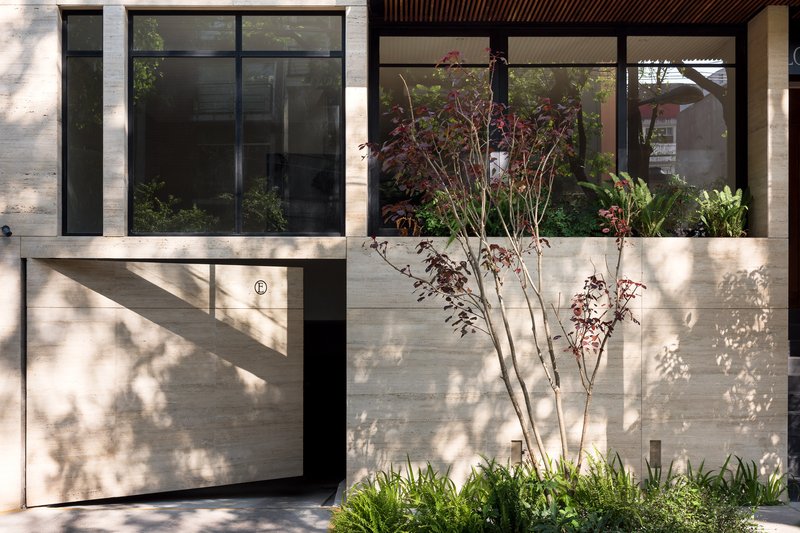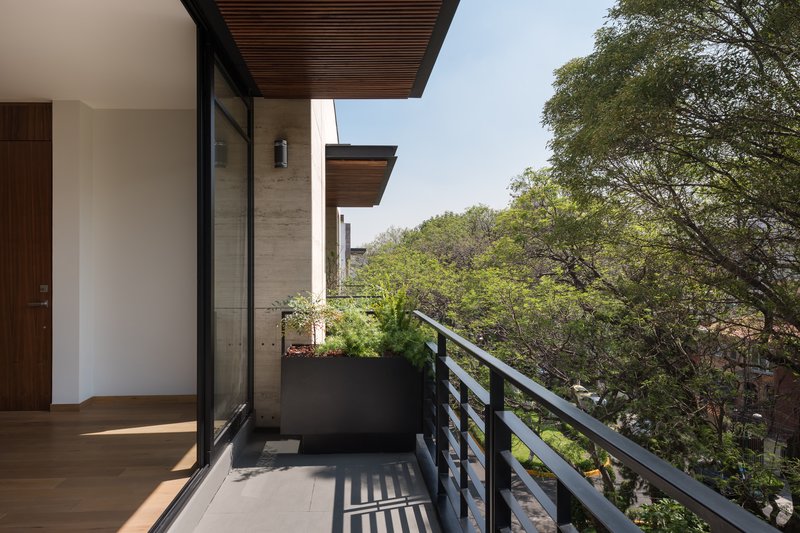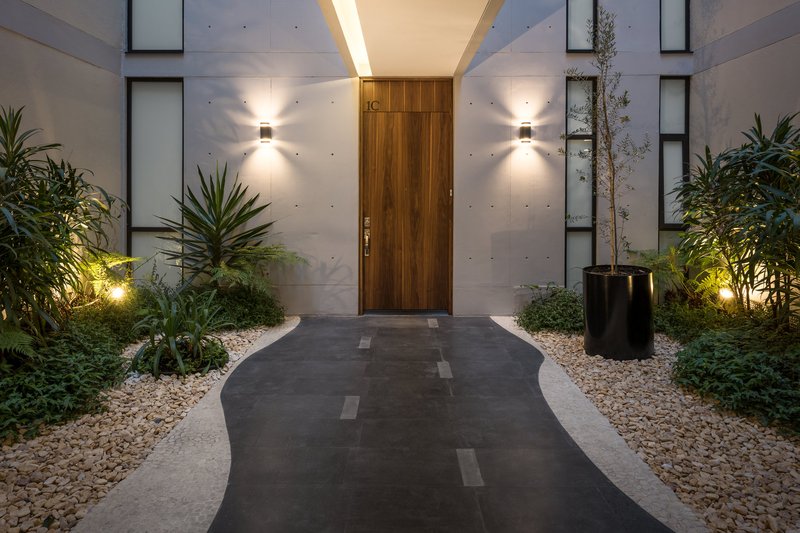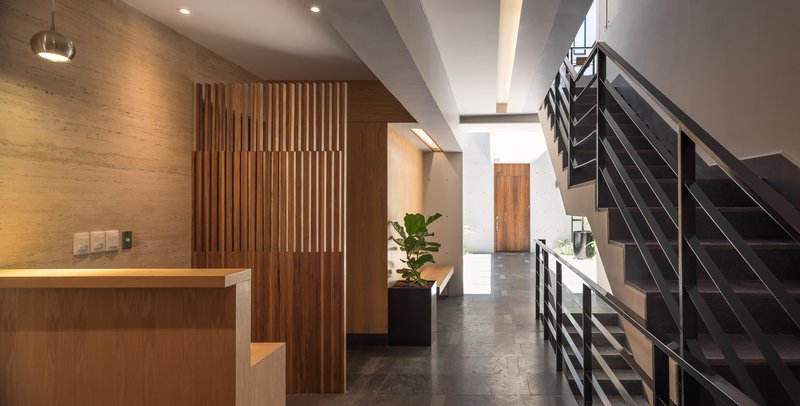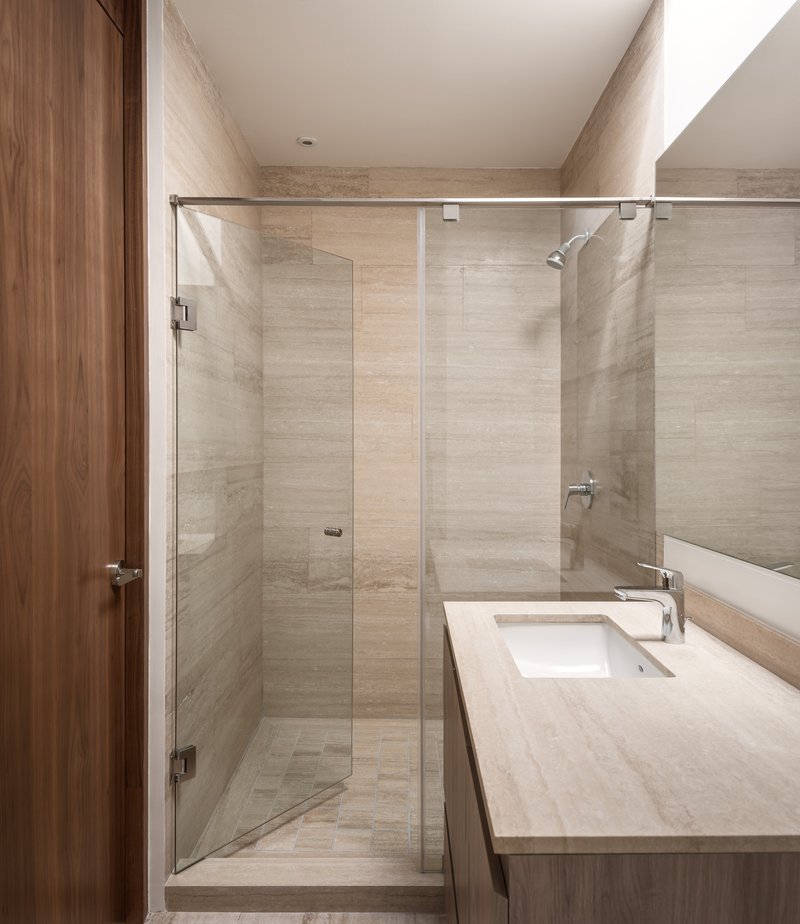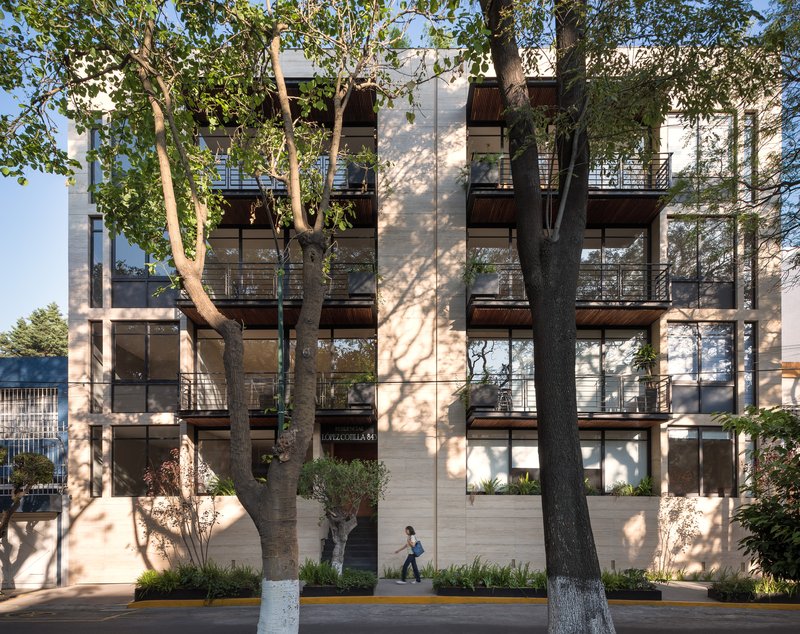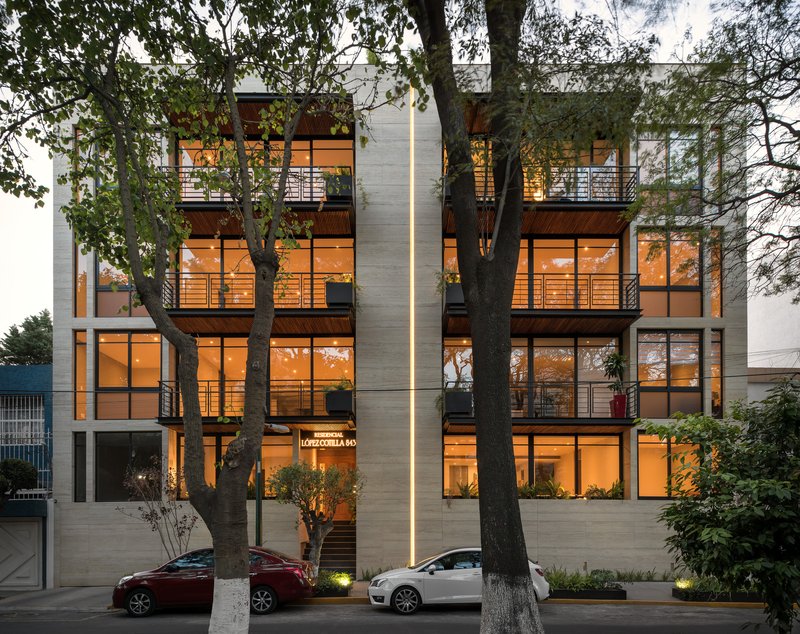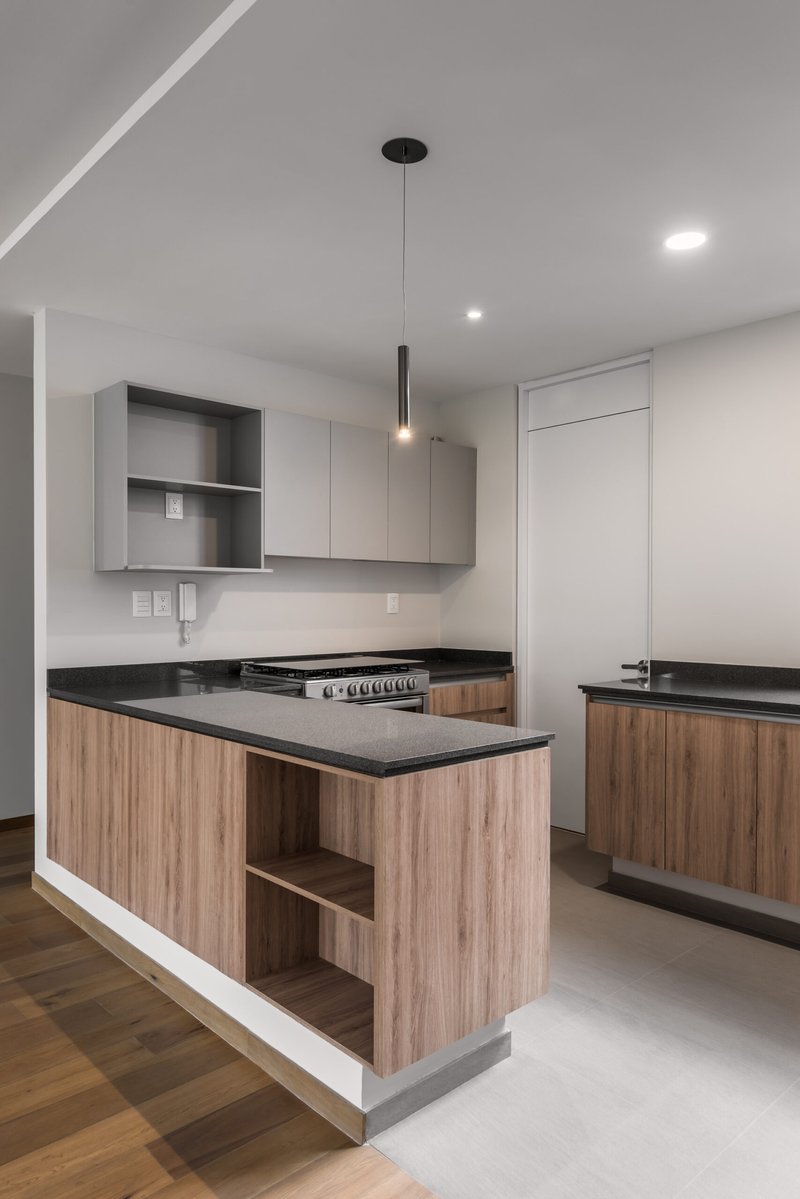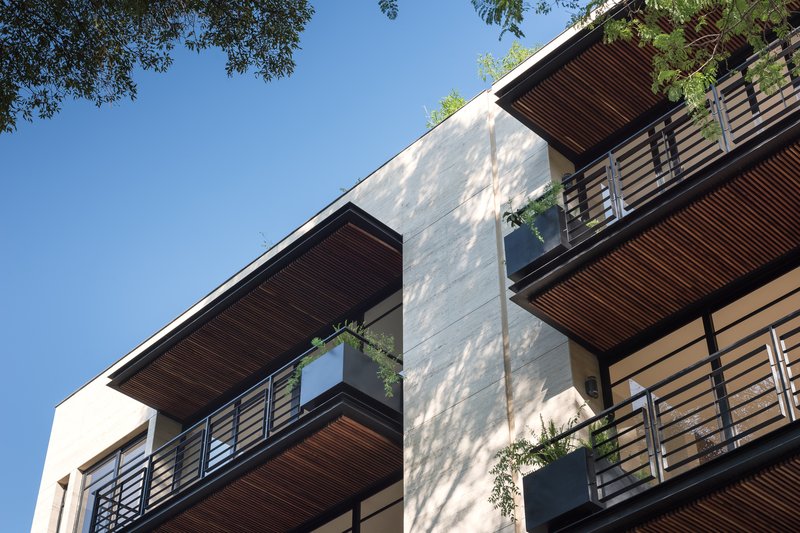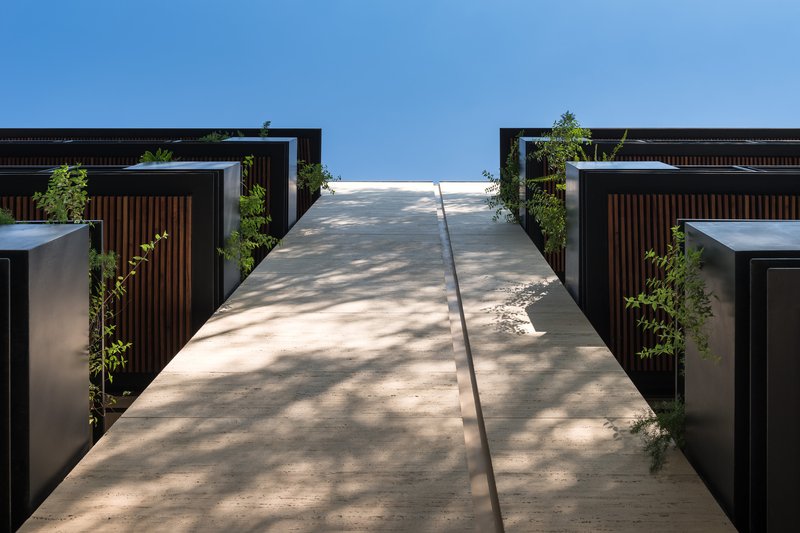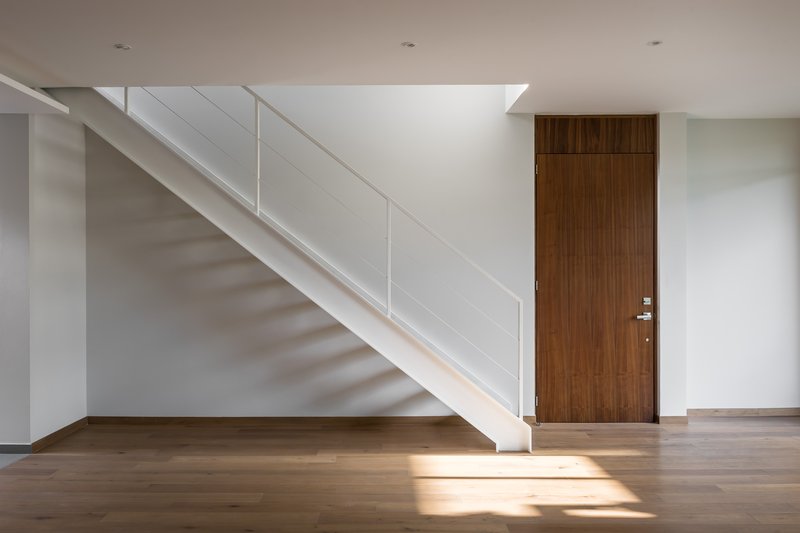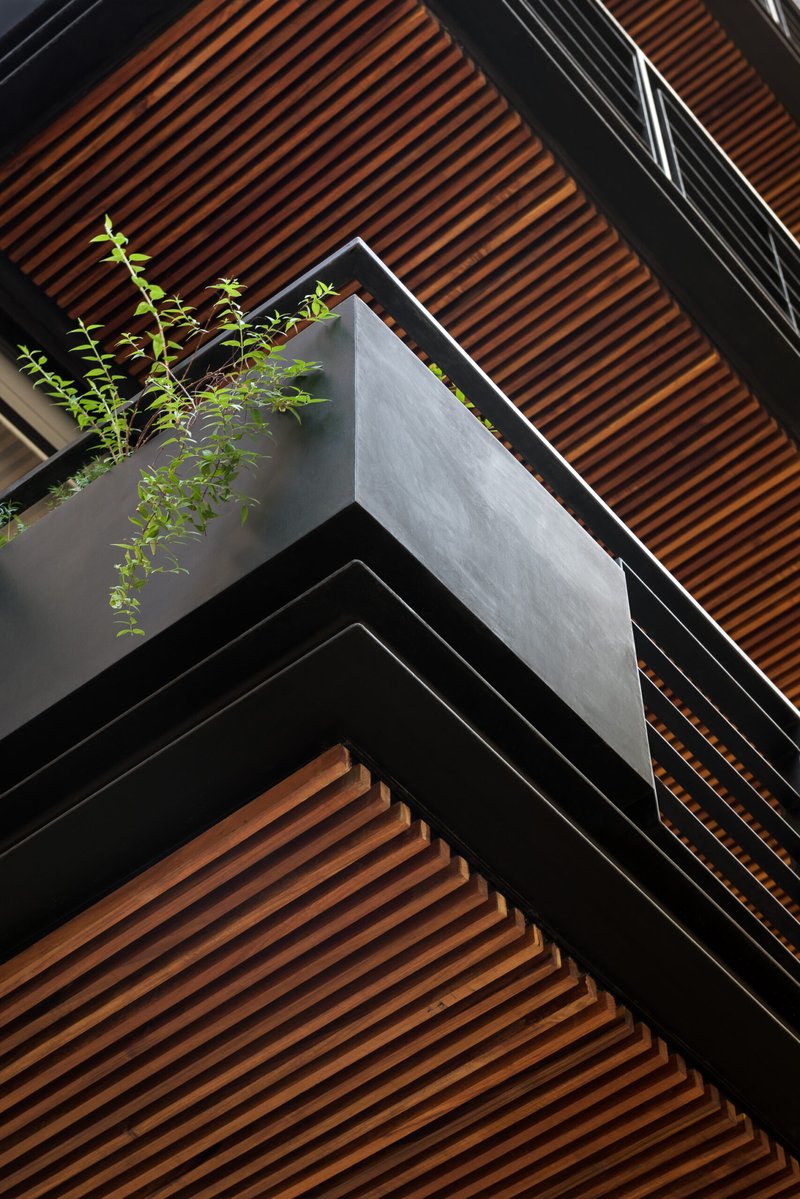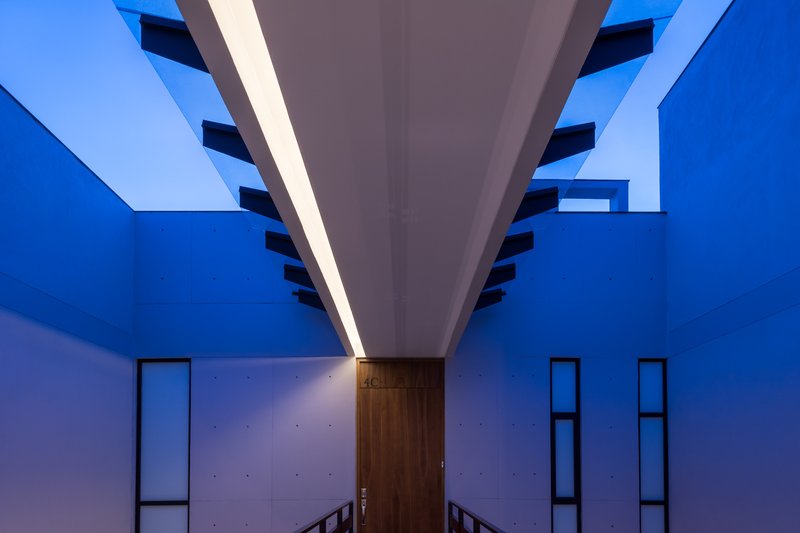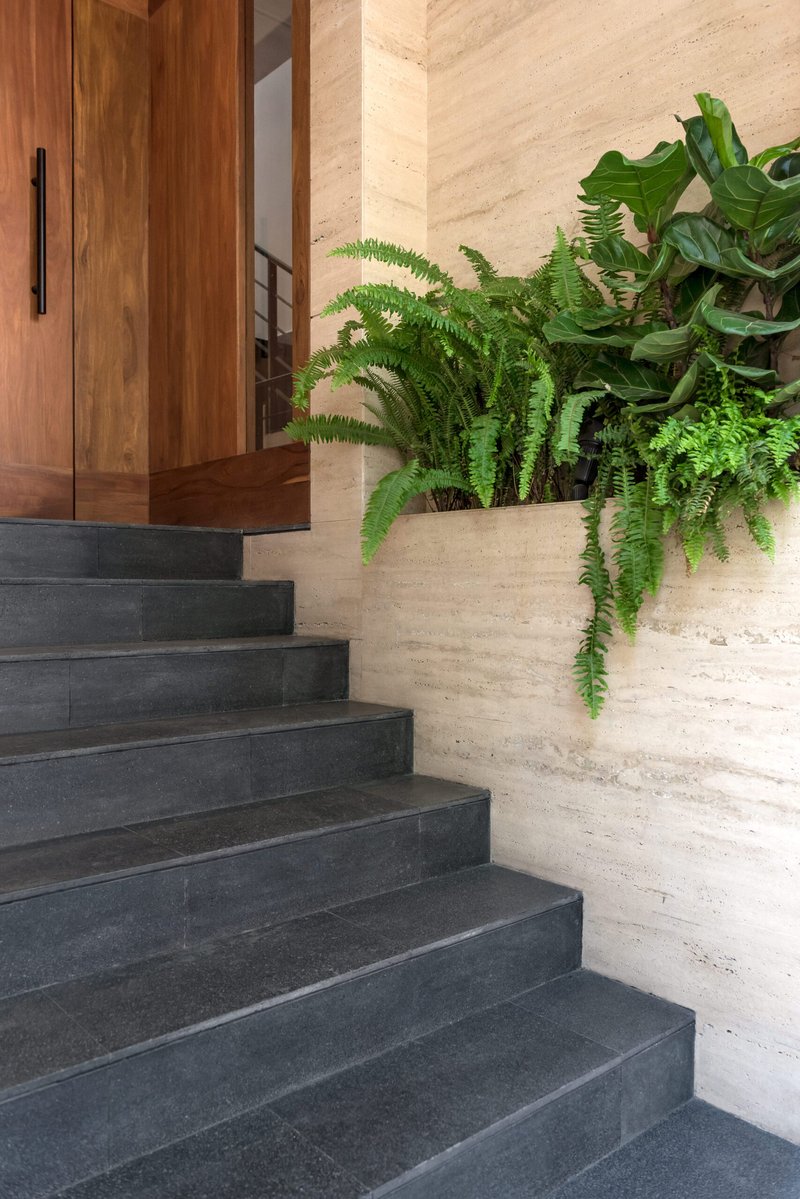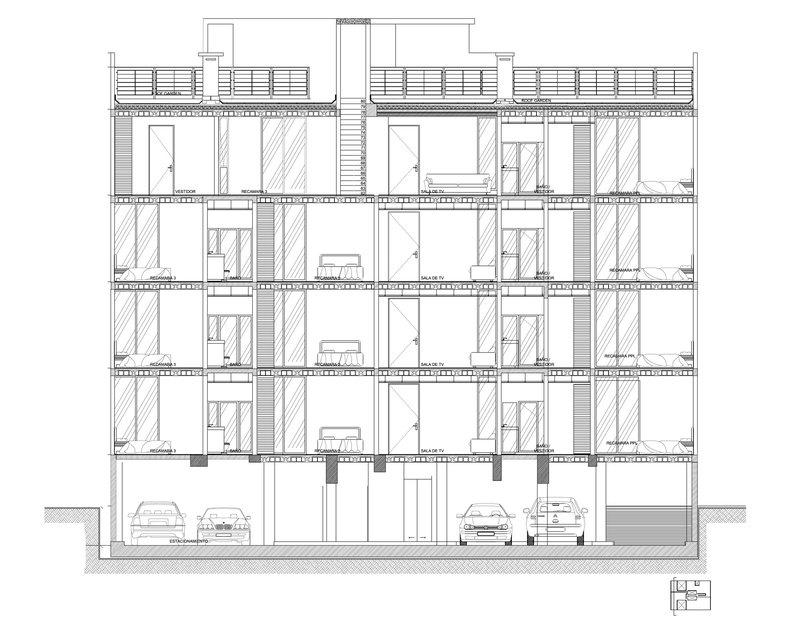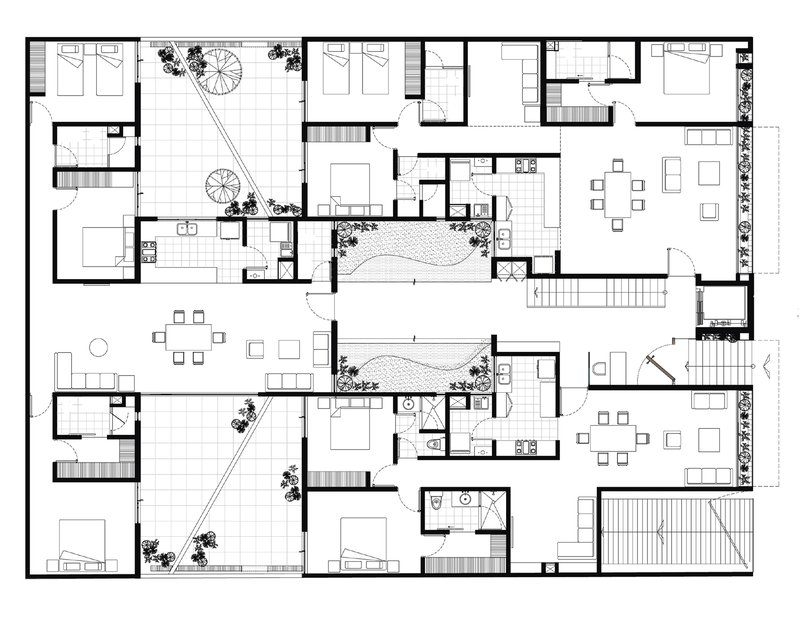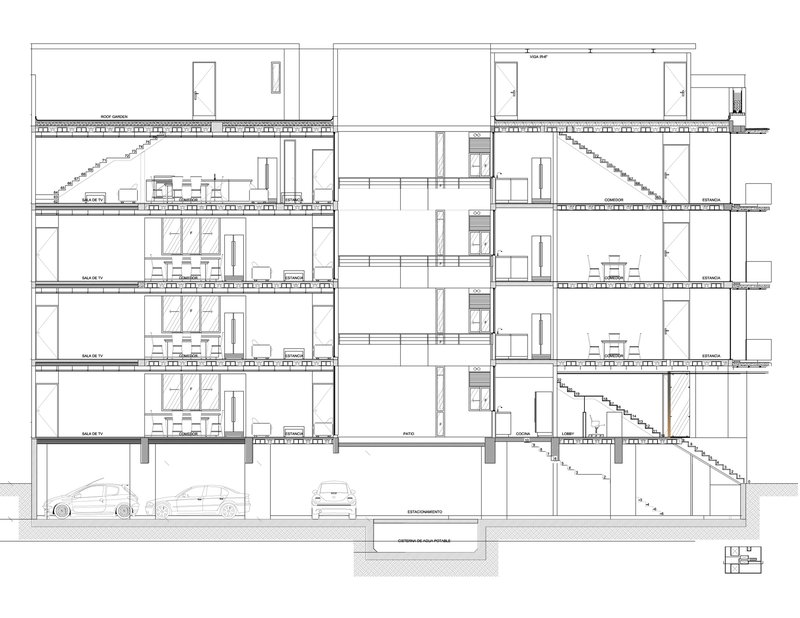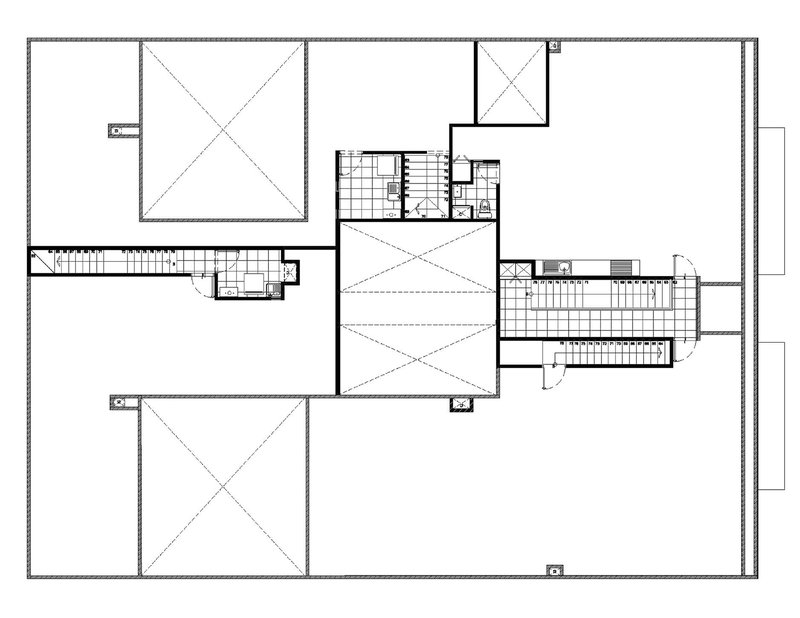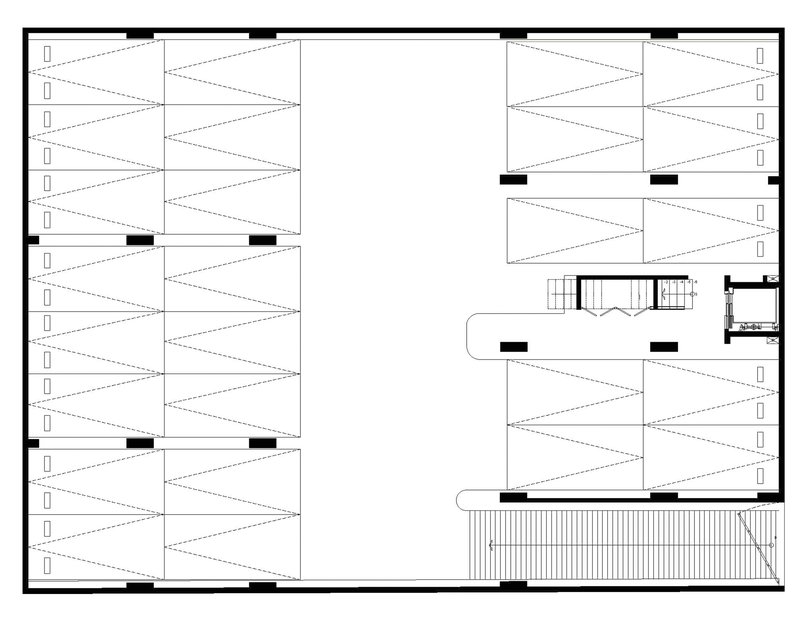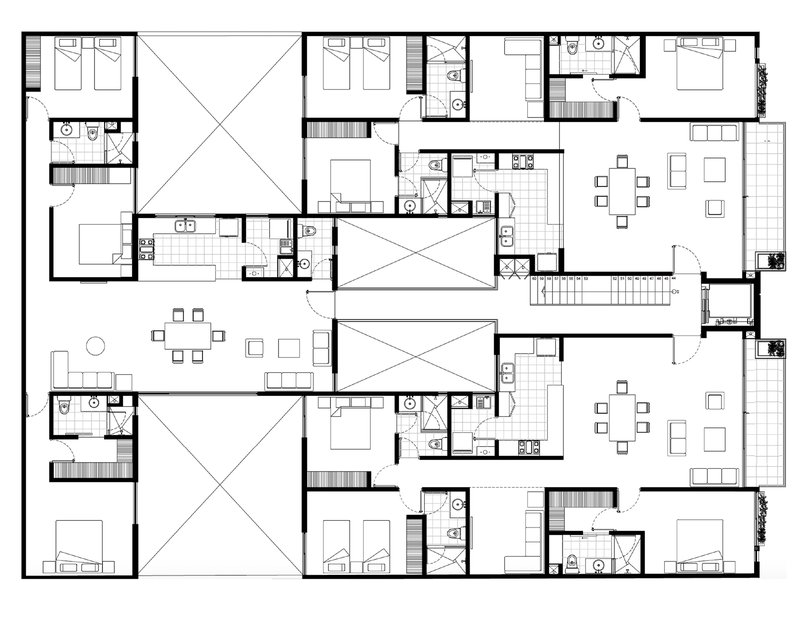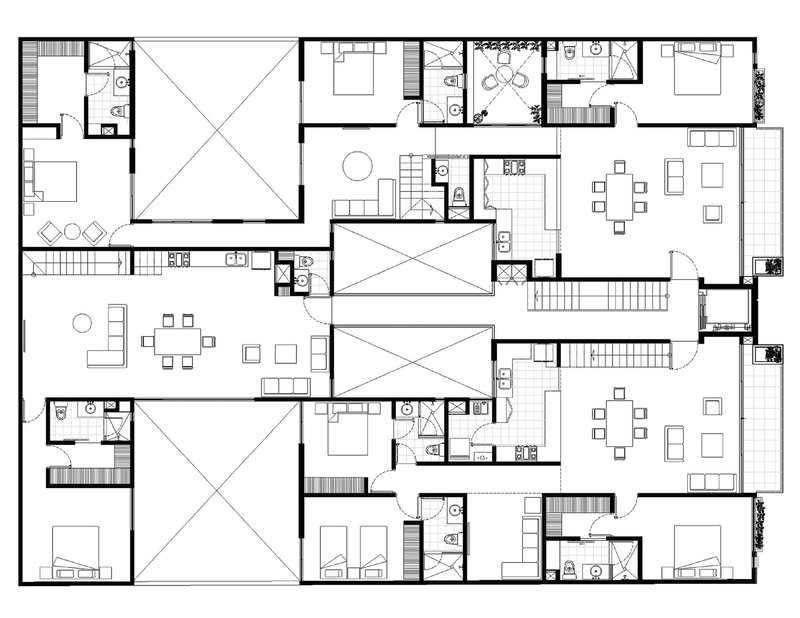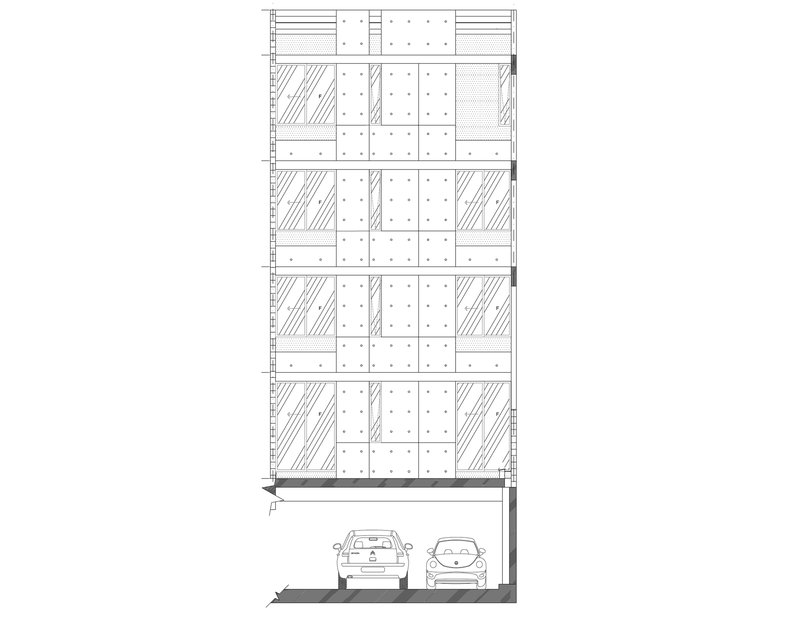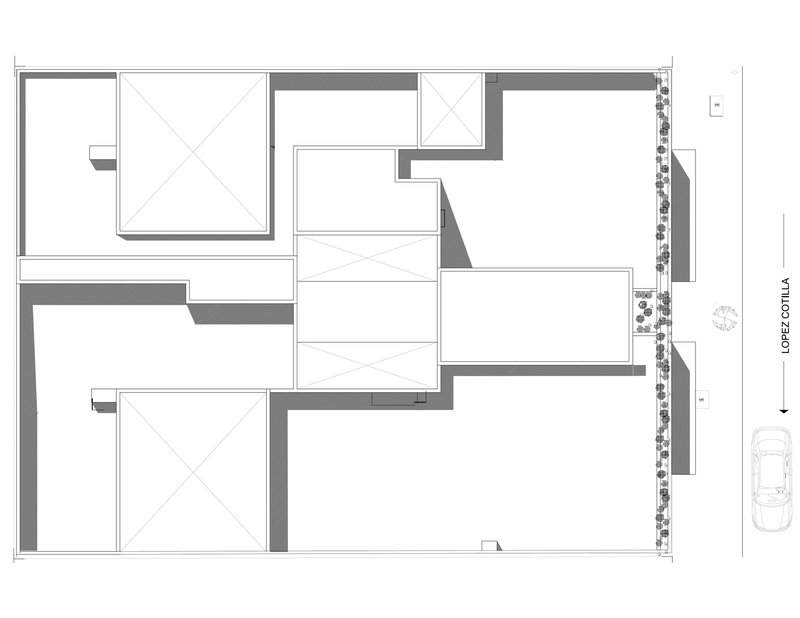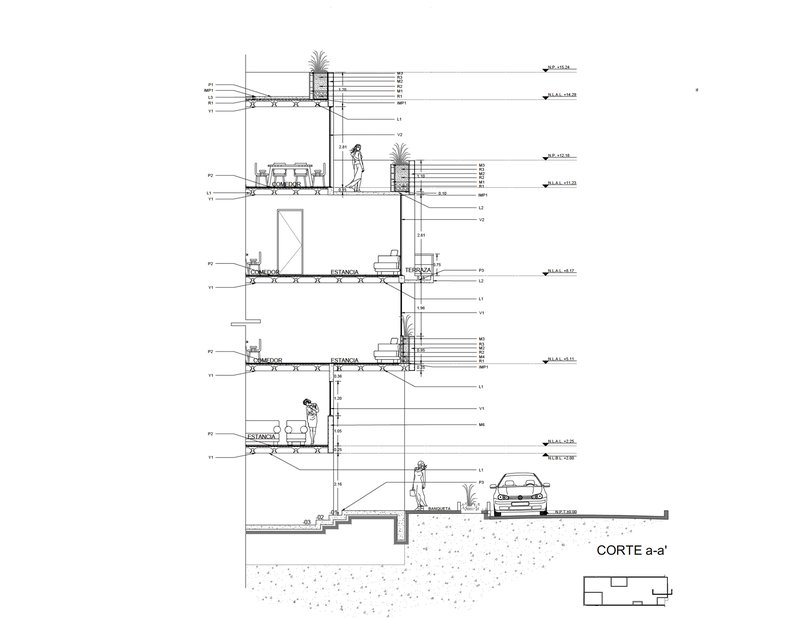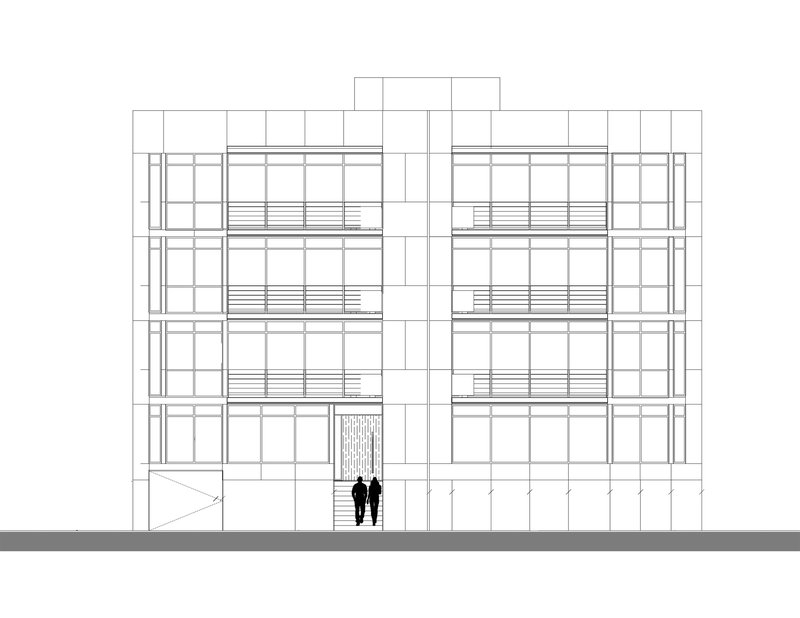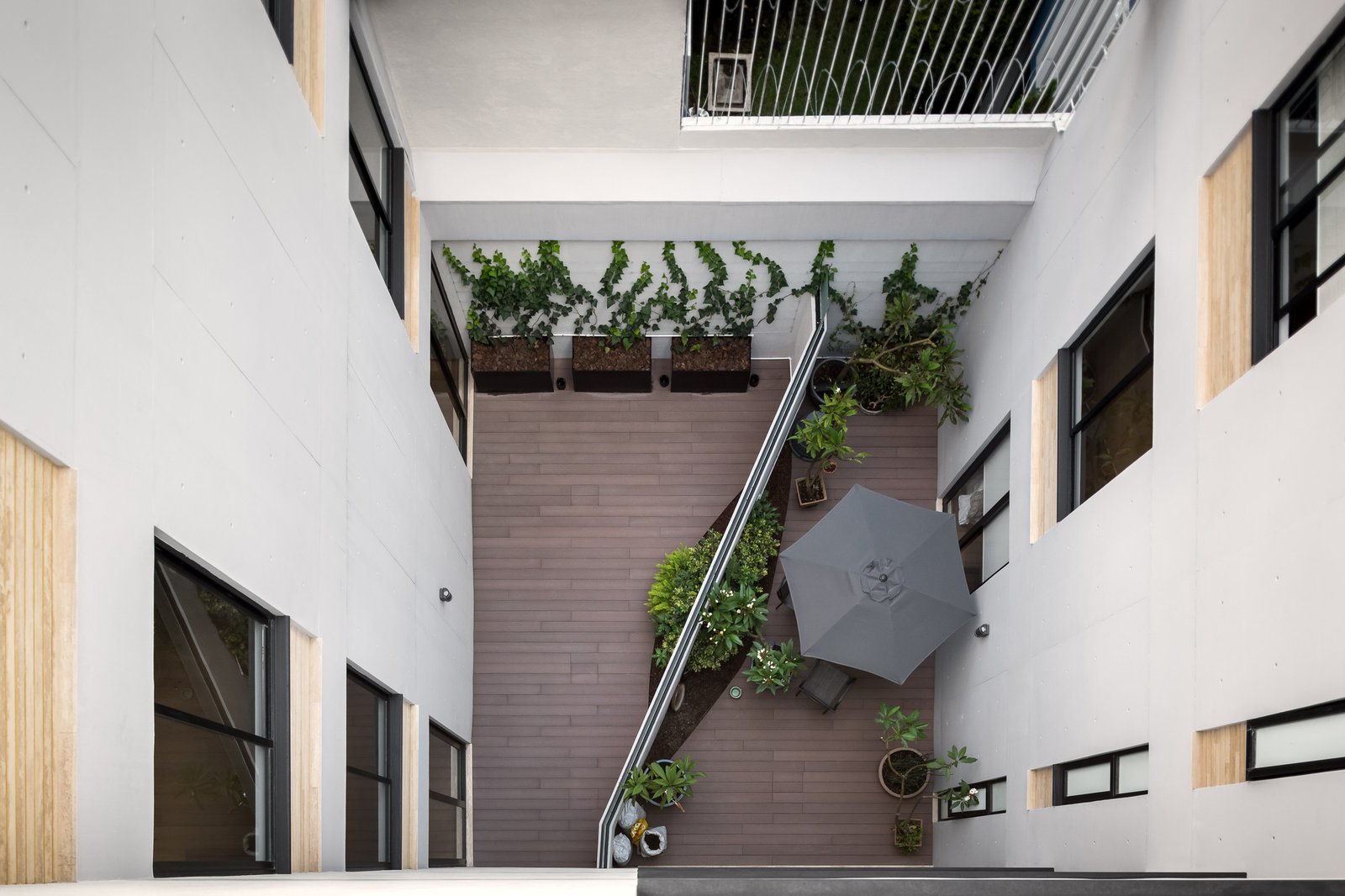
The LC 843 Building embodies urban redensification, presenting a dual challenge for architects: to create livable spaces of high human quality while ensuring a respectful integration into a previously constructed context. The stringent regulations, along with the pursuit of high financial returns by developers, act as catalysts for design and creativity; tools that foster buildings of significant architectural quality and meticulous manufacturing. The design of the LC 843 building is anchored in the intention to create high-quality spaces, maximizing light and views without compromising the privacy of its inhabitants. Organizing twelve homes where two once existed compels us to think about the optimal use of resources – financial, territorial, and environmental – without sacrificing the spatial quality sought by a discerning market. The building features four floors and a basement, with three apartments per floor, organized around three landscaped courtyards to enhance the well-being of the residents. The structure is executed with reinforced concrete walls and columns, allowing for more open and fluid spaces. There are no geometric tricks or arbitrary waste of space; the building's performance is the foundation for design decisions. The building materials evoke a sense of calm and well-being: travertine marble, basalt stone, oak wood, steel, and exposed concrete. We like to believe that the building will age gracefully, imposing fewer maintenance requirements and burdens on its future inhabitants. The central garden, the heart of the project, is experienced from within all the apartments and on all floors, with nature always present, both outside and inside the building. Automated irrigation systems, sewage, and rainwater collection ensure better adaptation for the more than thirty species of plants in the landscape project. On the rooftop, services are concentrated in a smaller area to allow for a larger surface dedicated to a common space that fosters social interaction and enjoyment of one of the most beautiful streets in the neighborhood. A garden within a building, a building within the city. The city as a human habitat of the 21st century: redensification can address the environmental challenges of our times by leveraging territory, infrastructure, space, and light.